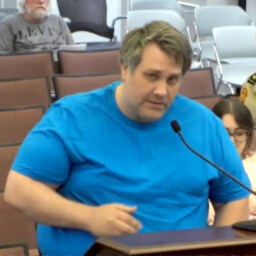
Government: Warren County, Virginia
Body: Board of Supervisors
Date: May 19, 2026, 6:00 PM
Location: Warren County Government Center
Type: Regular Meeting
Timestamp: 01:36:18
Duration: 0:36
At this public hearing, I kept my comments brief and focused on one practical concern: whether the proposed short-term tourist rental fit the physical realities of the property and surrounding access.
While reviewing the application materials, two details stood out to me. The first was the steep grade approaching the property at 112 Woods Way in Middletown, which appeared to be around 23%. The second was the reliance on private easements and roads for access.
My concern was not simply that guests might visit the property. The applicant described an intent for year-round transient use, which is different from the occasional visit by family or friends. A short-term rental can bring unfamiliar drivers, repeated turnover, delivery needs, cleaning crews, and guests who may not know the limits of rural roads, private access routes, or steep terrain.
I described that as essentially commercial use because, from a practical standpoint, the property would be used for ongoing paid lodging. A clarification was later made that short-term tourist rentals are not legally considered commercial use. That distinction matters, and I understand it. My concern, however, was about impact rather than classification.
Even when a use is legally permitted within a residential or rural zoning framework, the Board still has to consider whether the surrounding roads, easements, grades, and neighborhood conditions can reasonably support it. A property can meet a legal category while still raising real-world access and safety questions.
That is why these hearings matter. Each short-term rental application deserves more than a checkbox review. The Board should look closely at the land, the road conditions, the intensity of use, and the practical burden placed on private infrastructure before deciding whether year-round transient lodging is appropriate for a particular location.
Transcript (auto-generated)
0:00Good evening. My name is Louisis Motton from the North River District. Um I was looking over these documents and a lot of the comments and the main things that
0:08
8 secondsjumped out at me were um there’s a steep grade of like 23% approaching and then there’s the usage of um private
0:17
17 secondseasements and roads for essentially commercial use in a place that really wasn’t built for it. Um the individual
0:25
25 secondsmentions that they want year- round transient use, not it’s not just an occasional guest usage of this facility.
0:33
33 secondsUm and that is my only comment. Thank you. Thank you.
0:37
37 secondsI would just add that u it has been determined that short-term tourist rental is not a com legally a commercial
0:44
44 secondsuse. It was a comment from a public hearing.