Over the past couple of years, I’ve found myself reflecting deeply on the issues surrounding LGBTQ+ rights, particularly within my community here in Warren County, Virginia. This is a place with a history of resistance to change, one that wasn’t fully compliant with federal desegregation orders until as late as 1959. It’s jarring to realize that, not all that long ago, people were justifying their opposition to racial equality in ways that now seem incredibly outdated and shameful. What I didn’t expect was that these same old arguments would rise again, this time directed at the LGBTQ+ community.
It’s difficult to not see the parallels. The rhetoric used to oppose LGBTQ+ rights—whether it’s about banning books, blocking marriage equality, or restricting the rights of people based on their sexual orientation—is alarmingly similar to the language used to justify segregation. Terms like “sin,” “filth,” “grooming,” and “obscenity” are now thrown around when discussing the LGBTQ+ community, much like how racial minorities were dehumanized in the past (Betty Ann Kilby v. Warren County Board of Education). I can’t help but think that if we were in the 1950s, these same arguments would have been used to justify denying Black people their civil rights.
Living in a town that fought desegregation for so long makes these issues feel even more personal. Warren County was one of the last places to officially comply with federal desegregation. In 1959, a federal court order had to be issued to force compliance, and the resistance was strong. The town fought tooth and nail against change, and the public rhetoric was filled with all the same justifications: “This isn’t the way we’ve always done things.” “These people don’t belong here.” Sound familiar? Now, those words are being used to oppose LGBTQ+ rights, and I can’t help but think that history is repeating itself.
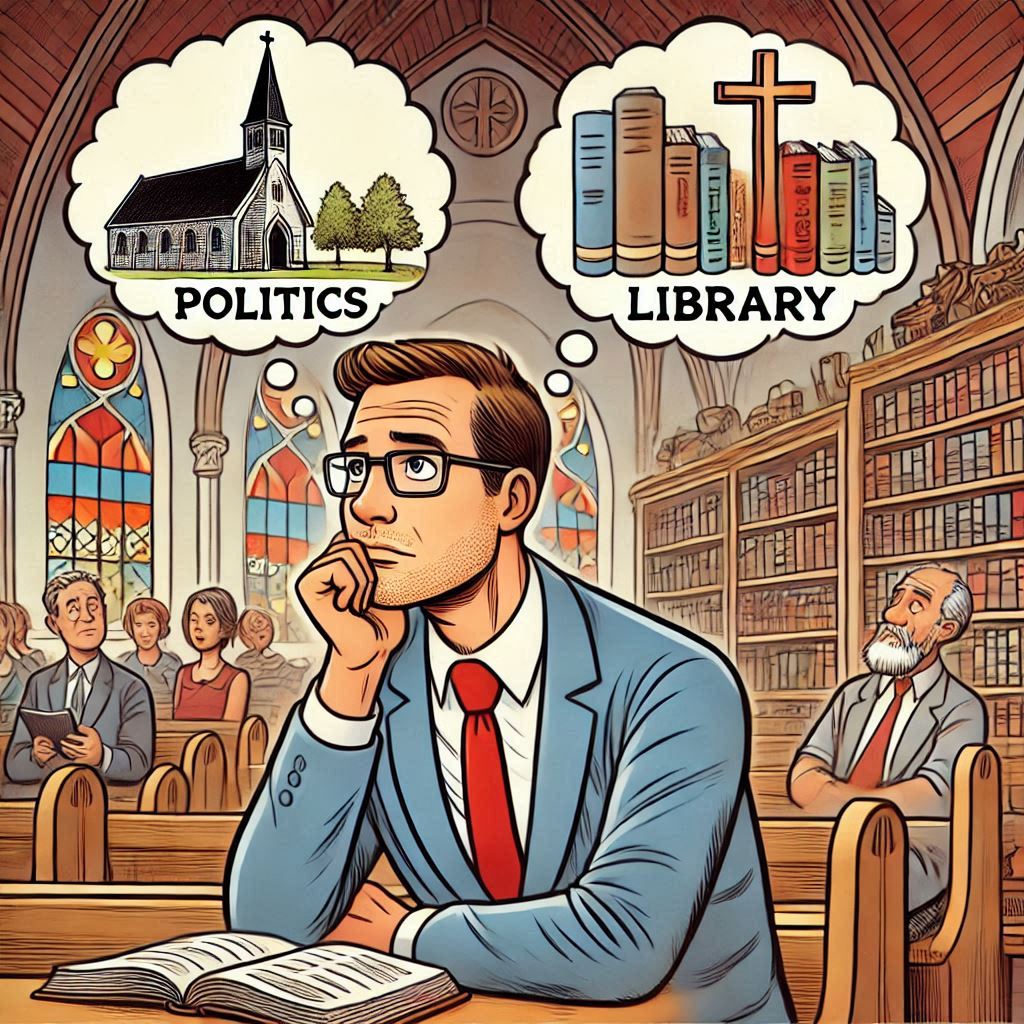
This brings me to the current issue at hand: the effort to ban books in our local library that contain LGBTQ+ themes. The library has been accused of promoting “filth” and “pornography,” with critics focusing overwhelmingly on LGBTQ+ content. These requests for book removals have been part of a larger campaign, one that has gained national attention in recent months. Local politicians, who once held positions of respect and leadership in my community, have jumped on the bandwagon, accusing the library of being the source of this “moral panic” and claiming that the library has somehow brought about the national spotlight. It’s strange to find myself caught in the middle of something that feels like it belongs in the pages of a newspaper, not in my own town.
The situation has been further complicated by the involvement of local politicians who hold strong anti-LGBTQ+ views. These politicians often disguise their actions behind phrases like “family values” and “age-appropriate content,” but these terms have evolved into little more than a cover for a broader, more divisive agenda. After their attempt to challenge the library last year failed, they pivoted, now working to form their own Warren County Library Board. The aim is clear: to implement policies that are likely to exclude foundational principles such as the ALA Library Bill of Rights and the ALA Freedom to Read Statement—documents rooted in the protections of the First Amendment. It’s reasonable to expect that the majority of the new board will consist of those who have actively opposed the library, submitted requests to remove books, or supported the “Clean Up Samuels” group or members of the “Front Royal Catholics Civic Education Group”. At the heart of the matter isn’t concerns about age-appropriateness or values; it’s a concerted effort to erase LGBTQ+ content from public spaces. The hypocrisy becomes glaring when these same politicians, who claim to protect community morals, attend public events, smile for the cameras, and avoid addressing the real, underlying issues at hand.
It’s not just about books in a library. It’s about a larger effort to silence a community that has long fought for equality. And as much as I may disagree with the tactics of those opposing LGBTQ+ rights, I can’t help but wonder: Are these people simply afraid of change, or is there something deeper at work? Are they projecting their fears onto the LGBTQ+ community, or are they genuinely trying to protect something they believe is under threat?
As a Christian, this has been a deeply challenging issue for me. I’ve recently been baptized and started attending church again, and with this new beginning comes new questions about my faith and how it intersects with the world around me. My church, like many others, hasn’t made its stance on LGBTQ+ issues entirely clear. I don’t know if LGBTQ+ individuals are welcome to worship with us, whether they can become members, get baptized, married, or take leadership roles. What I do know is that, as a person of faith, I struggle with the idea of turning anyone away simply because of their sexual orientation.
The idea that LGBTQ+ people could be excluded from leadership roles in a church is difficult for me to reconcile. The Bible teaches love, compassion, and justice. It doesn’t teach that one group of people should be denied their basic human dignity because of who they love. I wonder if a Church can learn from its past mistakes—much like society has had to learn from its past mistakes regarding race—and open its doors to all people, regardless of their sexual orientation.
It’s painful to think about the barriers that LGBTQ+ individuals must face to even begin to explore their spirituality. It’s like telling a straight person that they must give up all romantic desires for the opposite sex to be accepted. For me, this is a form of discrimination that runs against everything I believe as a Christian. We are all individuals, and we are all wired differently. Yet, many religious communities still ask LGBTQ+ people to change something that is inherently a part of who they are, in order to be accepted.
As I watch this fight unfold in my community, I can’t help but think about the lessons from the civil rights movement and the fight against segregation. The struggle for LGBTQ+ rights is not dissimilar from the struggles of the past. People are being asked to change who they are in order to gain acceptance, to be treated as equals in a world that often doesn’t want them to exist on the same plane as others. I wonder how many of those who oppose LGBTQ+ rights would have stood on the right side of history during the civil rights movement. And now, I must ask myself: Am I standing on the right side of history now?
I don’t know if my own church has, or is ready to fully accept LGBTQ+ members, or if they will ever allow them to take leadership roles. But I do know that I cannot stand by and let fear, hate, and ignorance dictate the future of our community. The rhetoric of “family values” and “age-appropriate content” is just a cover for a deeper issue: a refusal to accept people as they are. It’s a refusal to see the humanity in those who are different from us.
I am struggling to forgive those who are attacking the library, and by extension, the LGBTQ+ community. But I also recognize that forgiveness is a choice, one that I must make even when it feels difficult. In the same way that I would rush to someone’s aid if they were injured and in need of help, I must do the same for those who are being oppressed, even if the situation feels dangerous or complicated. The laws of our country do not allow for the removal of books simply because they contain LGBTQ+ content, and the board of supervisors cannot control the library in the way some people wish. Yet, the resistance continues, and the rhetoric persists.
This is where I find myself caught in the tension between faith, justice, and compassion. It’s difficult to love those who are actively attacking the rights of others, but I know that I must. I must continue to stand up for what is right, even when it’s uncomfortable, and even when it means challenging people I once looked up to. We cannot let the lessons of history slip through our fingers again. We must stand firm in our commitment to justice and inclusion, for all people—regardless of who they are or whom they love.
The fight for LGBTQ+ rights is not over, and it will not be won by silence or inaction. It will be won by those of us who are willing to stand up for love, for dignity, and for the inherent worth of every human being. And I believe that, one day, we will look back and see that this was a fight worth fighting, just as the struggles for racial equality and civil rights were worth fighting. The path to justice is long, but it is a path we must walk together, with open hearts and open minds.